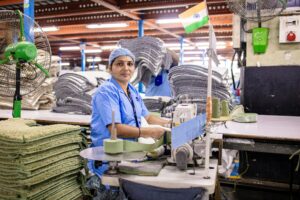
India has become one of the most preferred destinations for apparel production worldwide. For startups, private labels, and global brands alike, understanding the cost of manufacturing clothes is crucial for pricing, profitability, and long-term growth. With a strong textile ecosystem, skilled labor, and competitive pricing, India offers an attractive manufacturing advantage.
This guide explains the cost of manufacturing clothes, the factors influencing it, and how brands can optimize expenses without compromising quality.
Why Brands Choose India for Apparel Manufacturing
The cost of manufacturing clothes in India is significantly lower compared to many Western and East Asian countries, while still maintaining quality standards. India’s vertically integrated supply chain—from yarn and fabric to finished garments—helps reduce production costs and lead times.
Additionally, manufacturers in India are experienced in serving both domestic and international markets, making them reliable partners for scaling fashion businesses.
Key Factors Affecting the Cost of Manufacturing Clothes in India
Several variables influence the cost of manufacturing clothes in India. Understanding these elements helps brands estimate budgets accurately.
1. Fabric and Raw Materials
Fabric accounts for a major portion of the cost of manufacturing. Cotton is widely available and affordable, while blends, synthetics, and sustainable fabrics may increase costs.
2. Labor Costs
One of the biggest advantages impacting the cost of manufacturing clothes in India is skilled yet cost-effective labor. Compared to many countries, India offers a strong balance between affordability and craftsmanship.
3. Design and Sampling
Pattern making, sampling, and revisions also add to the cost of manufacturing clothes, especially for customized or complex designs.
4. Order Quantity
Bulk production significantly reduces the per-unit cost of manufacturing clothes
, while small MOQs generally increase it.
5. Machinery and Technology
Factories using automated cutting and stitching may have slightly higher base costs, but they reduce defects and wastage, improving overall cost of manufacturing clothes in India efficiency.
Average Cost of Manufacturing Clothes in India (Estimated)
While prices vary by product and complexity, here is a general idea of the cost of manufacturing clothes in India:
Basic T-shirts: Low-cost range
Shirts and dresses: Moderate range
Activewear and performance apparel: Higher range due to fabrics and stitching
Premium or embellished garments: Higher-end pricing
These ranges highlight why the cost of manufacturing clothes is attractive for both budget and premium brands.
Cost Comparison: India vs Other Manufacturing Countries
When comparing global production hubs, the cost of manufacturing clothes is often lower than Europe and the USA and competitive with Bangladesh and Vietnam. However, India offers greater flexibility, better fabric sourcing, and stronger design support.
This balance makes the cost of manufacturing clothes in India more cost-effective in the long run, especially for brands that value quality and scalability.
Hidden Costs to Consider
To accurately calculate the cost of manufacturing clothes , brands must also consider:
Sampling and development costs
Quality inspections
Packaging and labeling
Export documentation
Logistics and shipping
A transparent manufacturer will clearly communicate these elements to help brands manage the cost of manufacturing clothes in India efficiently.
How to Reduce the Cost of Manufacturing Clothes in India
Brands can strategically lower the cost of manufacturing clothes in India by:
Ordering in higher quantities
Choosing locally sourced fabrics
Simplifying designs and trims
Planning production timelines in advance
Building long-term partnerships with manufacturers
These steps help stabilize and optimize the cost of manufacturing clothes over time.
Quality vs Cost: Finding the Right Balance
While affordability is important, focusing only on the cost of manufacturing clothes in India can lead to quality issues. The best approach is to balance cost with durability, fit, and finish.
A reliable manufacturer ensures that the cost of manufacturing clothes
aligns with brand positioning and customer expectations.
Sustainability and Its Impact on Manufacturing Cost
Sustainable practices may slightly increase the cost of manufacturing clothes in India, but they add long-term value. Eco-friendly fabrics, ethical labor, and reduced waste are increasingly demanded by global consumers.
Many brands are willing to invest more in the cost of manufacturing clothes in India to meet sustainability goals and regulatory standards.
Choosing the Right Manufacturer in India
Selecting the right partner is key to controlling the cost of manufacturing clothes in India. Look for manufacturers with:
Transparent pricing
Strong quality control
Export experience
Scalable production capacity
The right manufacturer helps brands manage the cost of manufacturing clothes in India while maintaining consistency and growth.
Future Trends Affecting Manufacturing Costs
Automation, digital sampling, and AI-driven production are reshaping the cost of manufacturing clothes in India. These innovations reduce errors, improve efficiency, and lower long-term costs.
As infrastructure and technology improve, the cost of manufacturing clothes in India is expected to remain competitive globally.
Conclusion
Understanding the cost of manufacturing clothes in India is essential for fashion brands looking to build profitable and scalable businesses. With affordable labor, diverse fabric options, and advanced manufacturing capabilities, India remains a top choice for apparel production.
By partnering with the right manufacturer and planning strategically, brands can optimize the cost of manufacturing clothes in India while delivering high-quality garments to global markets.

“Cost of manufacturing clothes in India benefits brands seeking low-cost apparel manufacturing.”